Last updated October 31, 2026
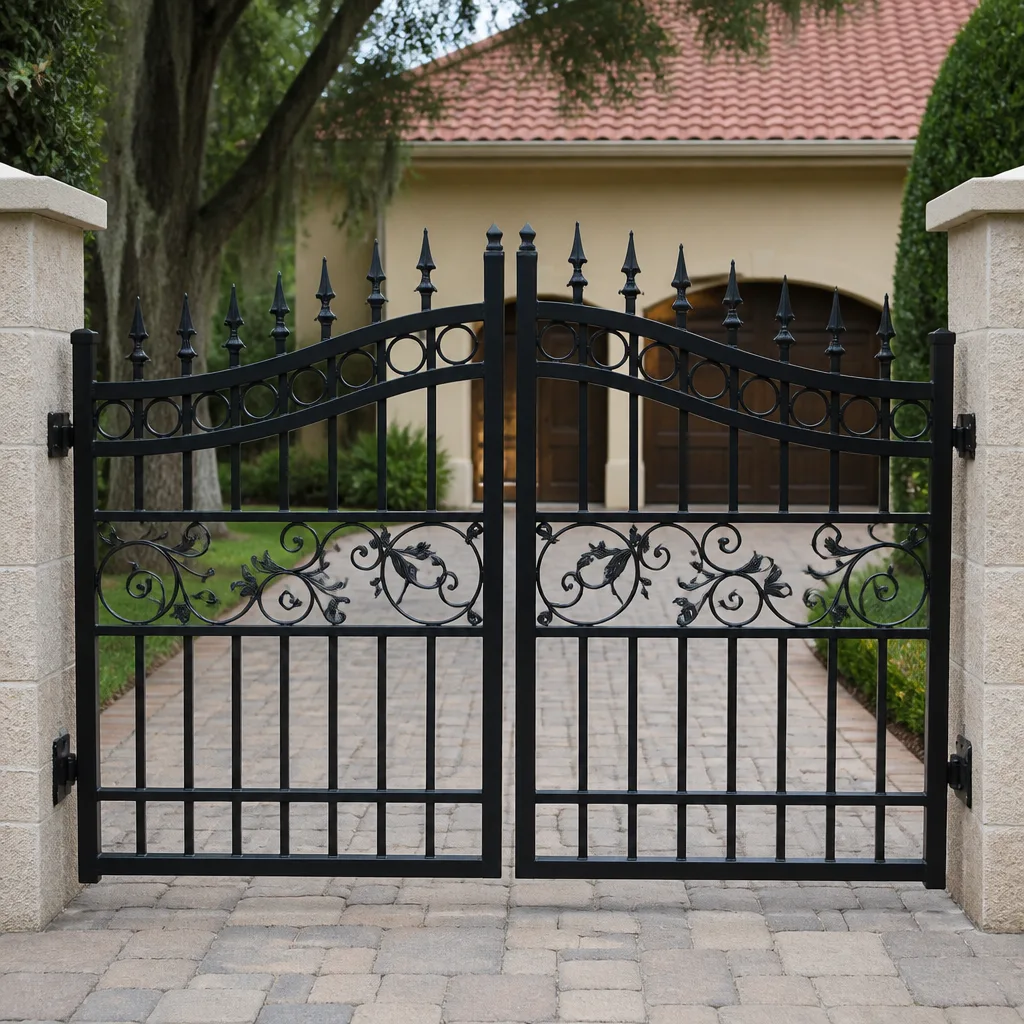 Wrought iron
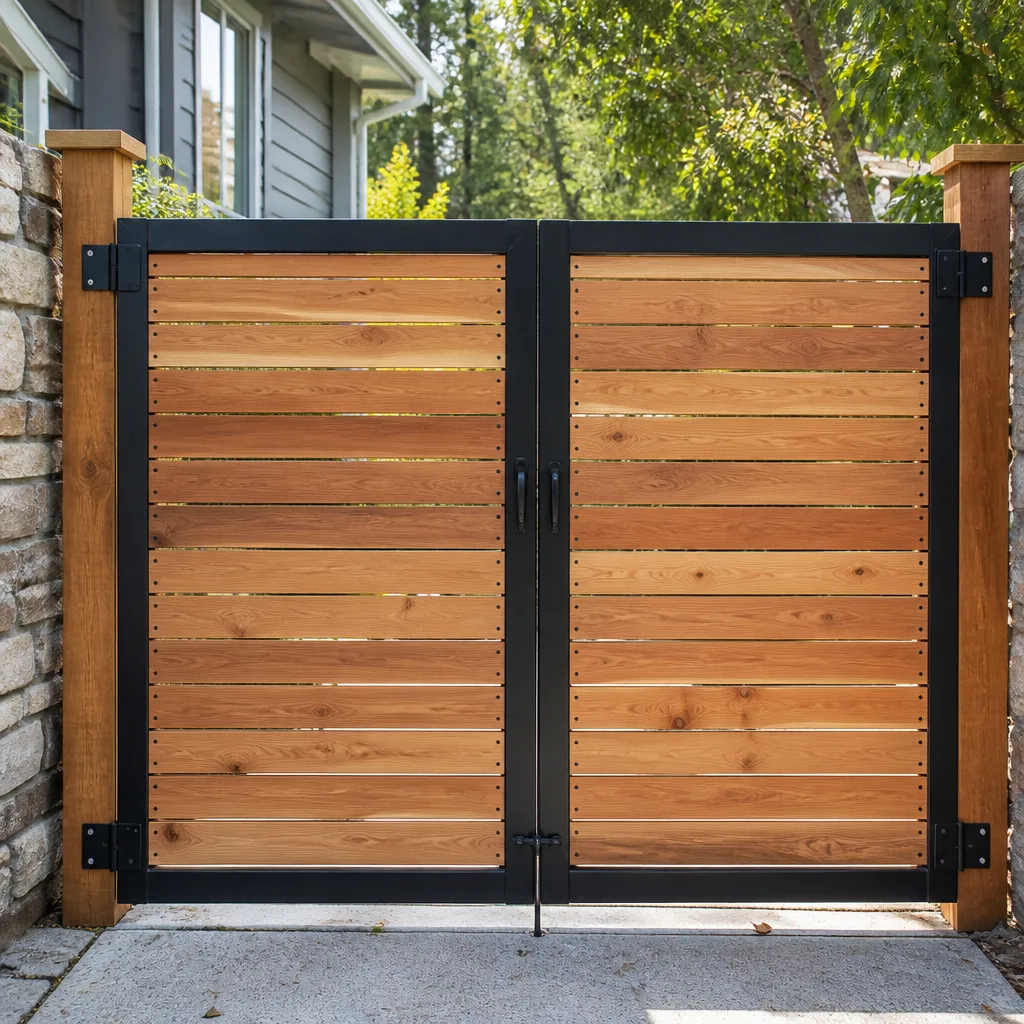 Wood & steel frame
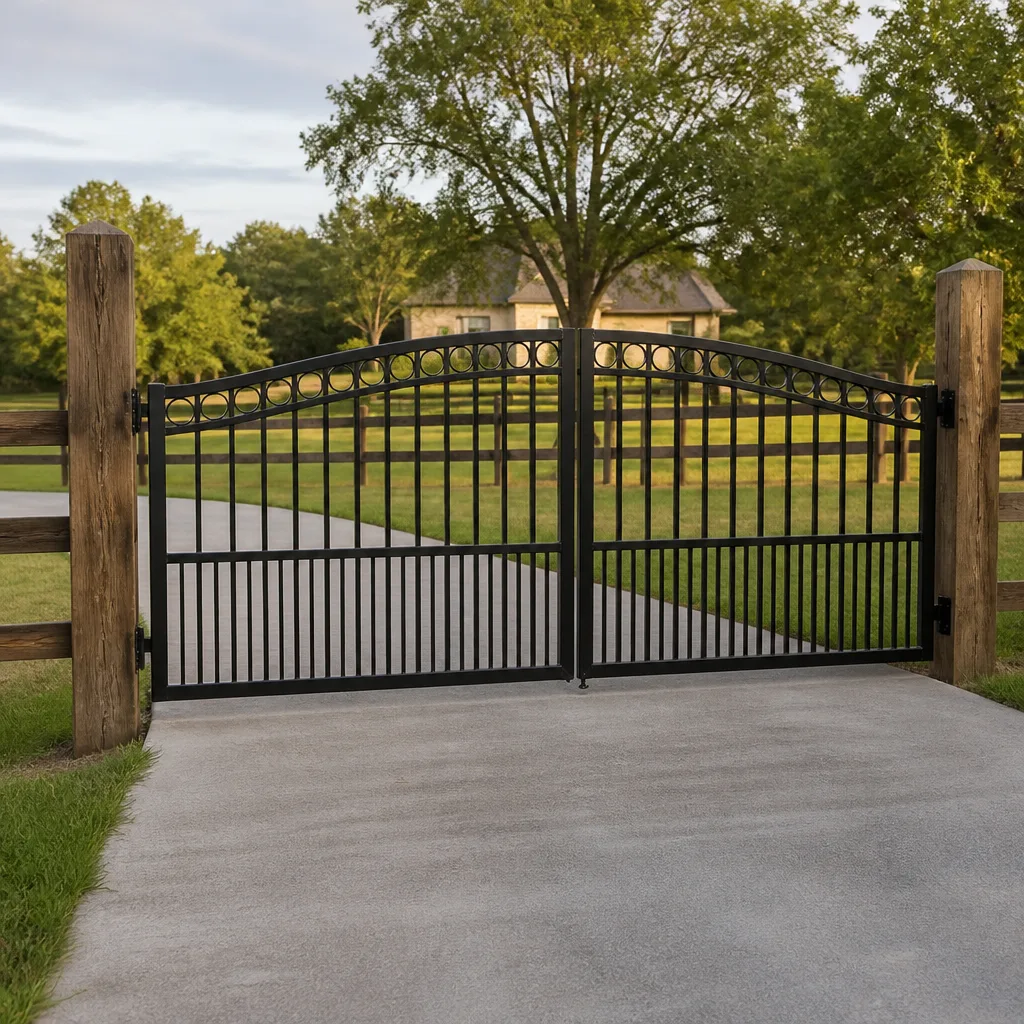 Farm & ranch
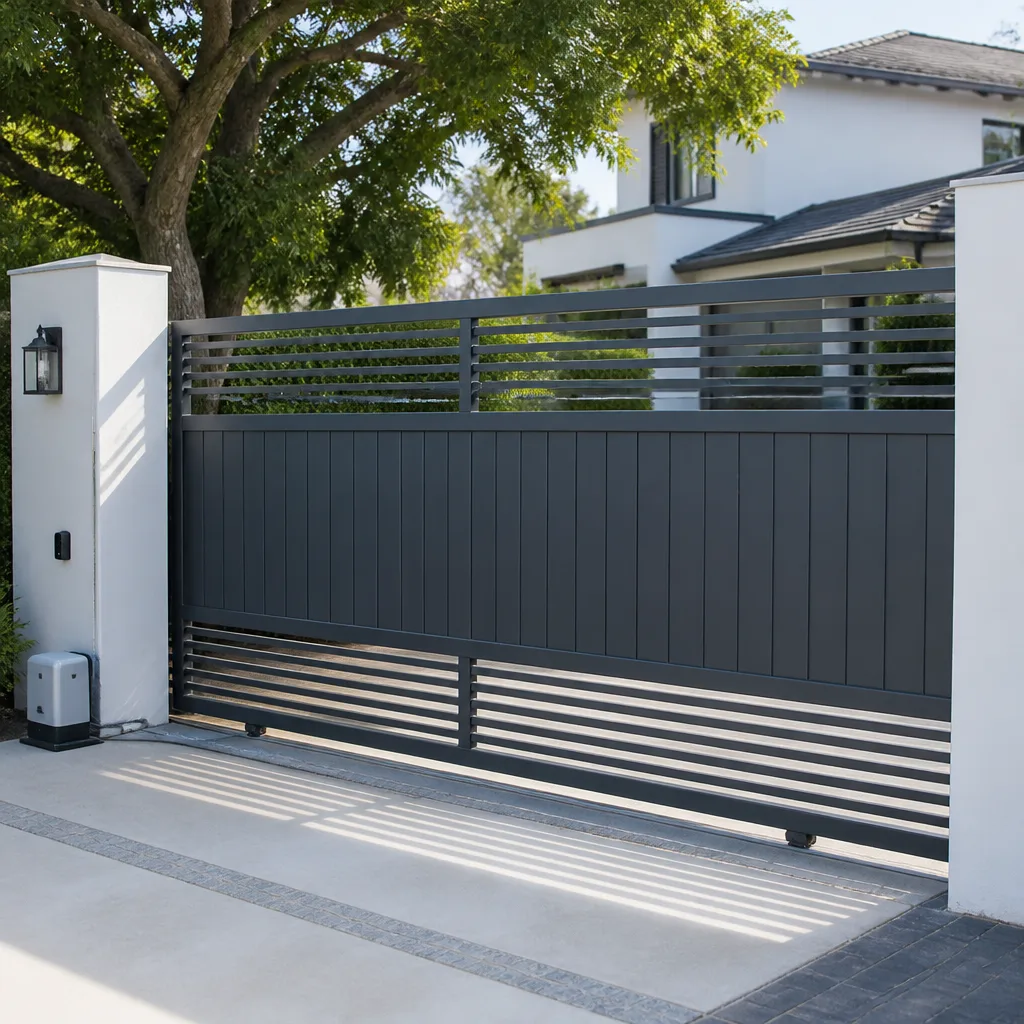 Sliding driveway gates
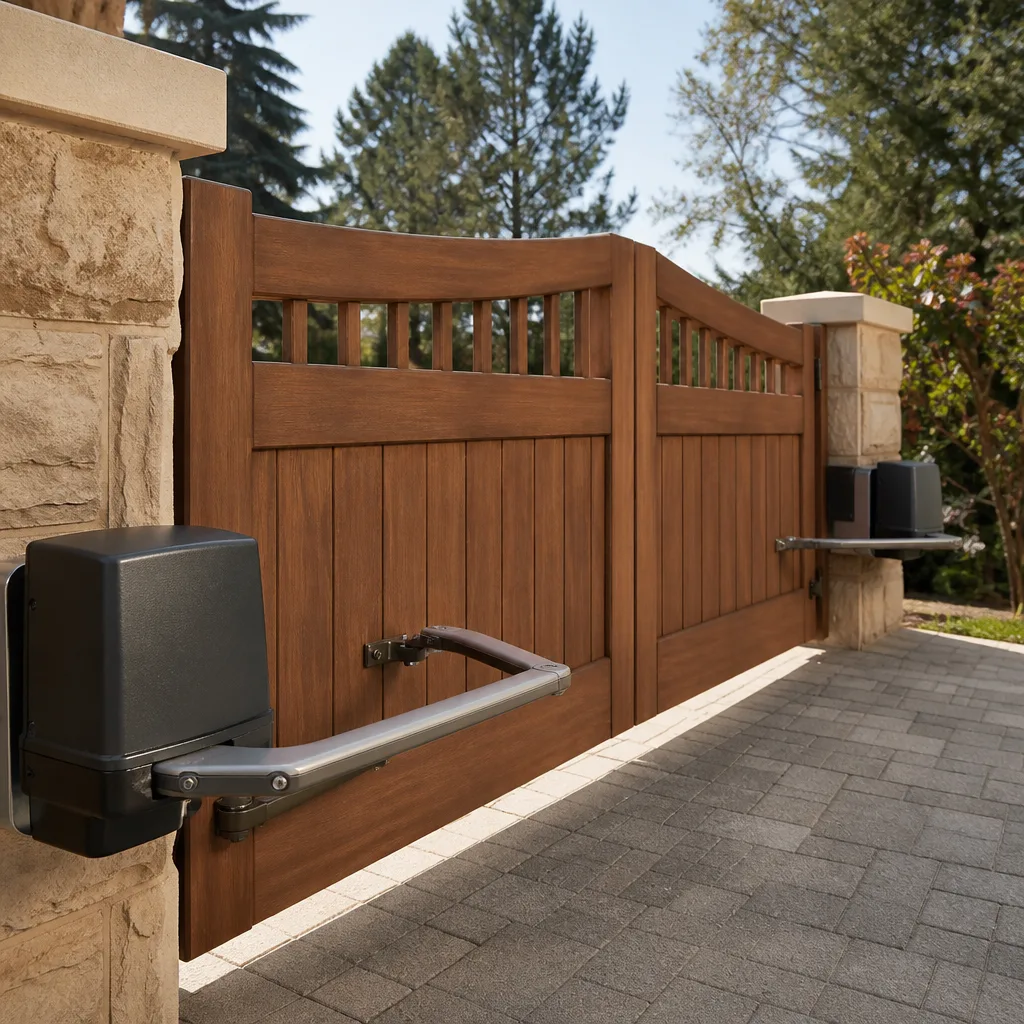 LiftMaster operators
Free on-site gate assessment - hinges, posts, and your LiftMaster or Nice gate operator checked before anything is quoted
The assessment is free and the quote is the invoice.
Get your free estimateSeasonal Gate Repair Care for Orlando: Year-Round Homeowner’s Guide
Lubricating your gate in January feels productive, but in Orlando’s climate the real damage window opens in May. That’s when humidity climbs, afternoon storms begin, and a gate that ran fine all winter starts showing its weak points under daily thermal expansion and power fluctuation. Most gate failures we respond to in Orlando don’t happen randomly. They cluster. And the clusters line up almost perfectly with two distinct stress seasons: the wet, storm-heavy months from June through November, and the dry, dusty months from December through May. This guide walks you through a care calendar built around those two seasons, because a schedule matched to Orlando’s actual weather patterns does more for gate longevity than any generic annual checklist. For a deeper dive, see our The Complete Gate Repair Guide for Orlando Homeowners.
Styles & brands we work with
Quick Answer
Orlando gate maintenance works best when it follows two seasons instead of four: use April and May to harden your gate system against hurricane season, and use December and January to recover from it. The highest-impact tasks are checking surge protection, verifying the manual release, and re-lubricating components after the dry season bakes them out. A 20-minute spring transition check catches roughly 80% of the preventable failures we see each summer.
Table of Contents
- Why Orlando Breaks Gates Differently
- The Two-Season Model: Storm Season and Dry Season
- The Spring Transition Check: Your 20-Minute Pre-Storm Walkthrough
- Pre-Hurricane Season Preparation (April – May)
- Mid-Storm Season Monitoring (July – September)
- Dry Season Recovery (December – February)
- How Orlando Temperature Swings Affect Track Alignment
- Brand-Specific Notes: Mighty Mule, LiftMaster, FAAC, and BFT
- Common Mistakes to Avoid
- When to Call a Professional
- Frequently Asked Questions
- The Bottom Line
Why Orlando Breaks Gates Differently
Here’s what most generic gate maintenance advice misses: Orlando doesn’t have a cold season that freezes metal or a dry heat that bakes electronics in the same way Phoenix or Las Vegas does. What Orlando has is constant humidity, dramatic afternoon temperature swings, daily UV exposure, salt air depending on how close you are to the coast, and a six-month stretch where heavy rain and lightning are not occasional events. They’re the backdrop.
Humidity is the quiet killer. It doesn’t announce itself the way a storm does. It works slowly into control boards, corrodes wire connections, and accelerates rust on exposed hinges and tracks. A gate that’s been running fine for two years can develop intermittent faults that trace back to nothing more dramatic than a connector that developed a thin layer of corrosion across the contacts.
Then there’s the lightning. Central Florida averages more lightning strikes per square mile than nearly anywhere else in the country. For automated gates, lightning doesn’t need to hit the gate directly. A strike a quarter mile away can send a surge through the power line, through the control board, and into the motor. If you don’t have surge protection on your gate system, or if your surge protector is old, one decent storm can take out a $400 control board.
We’re a Arroyo Gate Repair home team, and we work on gate systems in Orlando every day. The failures we see map to the climate more than the calendar. Understanding that is step one. Step two is building a maintenance rhythm that respects those two seasons.
The Two-Season Model: Storm Season and Dry Season
Here’s the core idea behind this guide. Orlando’s weather divides the year into two dominant modes, and your gate feels both of them differently.
Storm season runs roughly June through November. This is when afternoon thunderstorms become a daily possibility, humidity sits consistently above 70%, and hurricane threats peak between August and October. During this stretch, the main pressure points on a gate are:
- Power surges from lightning strikes
- Moisture intrusion into control boxes and sensors
- Wind loading on large gate panels, especially ornamental or solid-panel driveway gates
- Debris washing into tracks or jamming hinges
- Battery backups being used and not recharging properly
Dry season runs roughly December through May, and it’s subtly harder on the mechanical side of the system. Humidity drops, which sounds good, but it means:
- Lubricant that got hot and thin during summer now cools and stiffens
- Metal components that expanded under summer heat contract back at night and in the cooler months
- Cracks in rubber seals or weatherstripping left by summer UV exposure become visible
- Rust that started during the wet season stops spreading but doesn’t disappear
- Track alignment shifts become more noticeable because the gate binds where it didn’t before
Most homeowners think of dry season as the “safe” season, and it is, at least from a storm standpoint. But it’s the season when small mechanical problems present themselves most clearly. That makes it an ideal time for repair work. The Gate Repair in Orlando work we do in January and February is often catching up on things that started failing in August.
The Spring Transition Check: Your 20-Minute Pre-Storm Walkthrough
Here’s the single most valuable thing in this guide. If you only do one seasonal maintenance task on your gate, do this one. It’s a 20-minute walkthrough, ideally in April or early May, before the afternoon storm pattern sets in. We recommend this because we’ve seen it catch the vast majority of preventable storm-season failures.
- Inspect the surge protector (5 minutes). If your gate opener has an external surge protector, look at it. Many have an indicator light that goes out when the protection has been sacrificed. If it’s dark, replace it before storm season. No surge protector? This is the single best pre-storm upgrade you can make.
- Test the battery backup (3 minutes). Disconnect power at the breaker, then try to open the gate. If it doesn’t move, your battery backup is dead. In Orlando, a dead battery backup is a security problem during hurricane season. You need that gate functional during power outages.
- Check the manual release (3 minutes). Find the release mechanism, usually a handle or keyed release on the operator. Operate it once. Many release mechanisms corrode or seize, and the first time a homeowner discovers that is when a hurricane is 12 hours out and they need to leave.
- Look at the tracks and rollers (5 minutes). Walk the full track length. Look for debris, cracks in concrete pads, wobble in the rollers, and bent sections. If a section of track is already slightly twisted, it’ll bind worse under storm humidity.
- Run the gate and listen (4 minutes). Open and close the gate completely twice. Listen for grinding, squealing, or hesitation. Feel for stutter. A gate that’s struggling in May will fail in August.
Twenty minutes. Five steps. That’s the spring transition check. If you do this yourself and find something off, or you’d rather have a trained eye on it before the summer, that’s exactly the kind of pre-season tune-up we handle with our Gate Repair services in Orlando.
Pre-Hurricane Season Preparation (April – May)
Hurricane season officially starts June 1, but wise Orlando homeowners start gate preparation in April. Here’s a focused prep list for the six weeks before storm season gets serious. These are the tasks that matter most, based on what we see fail most often.
Surge Protection: The Most Overlooked Component
Lightning is a constant across Central Florida, not just during named storms. If your gate operator is hardwired to your home’s electrical system and you don’t have surge protection at the disconnect, one summer storm can destroy your control board. We’ve seen it happen to LiftMaster and BFT systems alike. A surge protector is a $50 to $150 component. A control board can run $200 to $600, plus labor. The math isn’t complicated.
Battery Backup Testing
Most automatic gate operators with battery backup don’t self-test in a way homeowners notice. The battery sits there, slowly losing capacity, until the one time you need it. Here’s the test: flip the gate’s breaker off, then try to cycle the gate. If it opens slowly or not at all, replace the battery. For coastal Orlando properties and any home that relies on gate access during power outages, this is a hurricane-prep essential.
Manual Release Verification
Every automated gate has a manual release so you can open the gate by hand if the power fails. When we do pre-season inspections in Orlando, we find release mechanisms seized or corroded more often than we’d like. Operate yours once in April. If it’s stiff, lubricate it. If it won’t move, call a professional before a storm makes it an emergency.
Exterior Sealing and Weatherstripping
Look at any rubber seals around the motor housing, control box, or sensor eyes. Summer sun and heat degrade rubber. If a seal is cracked, water finds its way in during torrential rain. This is especially important for gates within a few miles of the Atlantic coast, where salt spray compounds the problem. We recommend a visual seal check every May.
Mid-Storm Season Monitoring (July – September)
Once storm season is underway, your job shifts from prep to vigilance. You’re not doing major work now. You’re catching early signs of problems in the window between storms. Here’s what to check after each significant weather event. You don’t need to do all of this after every afternoon thunderstorm. But after any storm with heavy wind, driving rain, or close lightning, do a quick pass.
Post-Storm Checklist
- Run the gate once. Listen for a different motor pitch. A motor that sounds strained after a storm may have debris in the track or water in a bearing.
- Look for standing water near the operator. If the ground around your gate operator floods, that’s an electrical hazard and a corrosion risk. Address drainage after the storm passes.
- Check sensor alignment. Heavy winds can knock the photo eye sensors slightly out of alignment. You’ll notice this as a gate that reverses for no reason, or refuses to close.
- Inspect trees and foliage near the gate. A branch that’s now leaning over your gate is a future problem. In Orlando, falling limbs are a common cause of gate track and panel damage during storm season.
- Open the control box and look for moisture. If you feel comfortable doing so, check for visible water intrusion. This is where brand-specific knowledge matters. A Mighty Mule control board and a FAAC control board are not the same, and what one tolerates, the other might not.
If Your Gate Stops After a Storm
When a gate stops working right after a storm in Orlando, the most common causes are a tripped breaker, a blown surge protector, water in the control box, or a misaligned sensor. Don’t keep pressing the remote to retry. That repeated stress can overheat the motor. Check the simple things first, then call a professional if the issue isn’t obvious. This is where Electric Gate Repair in Orlando comes in. Post-storm repairs are a significant part of what we handle from July through October, and most of them are straightforward fixes when diagnosed correctly the first time.
Dry Season Recovery (December – February)
By December, Orlando’s afternoon storms are mostly gone. For your gate, that’s the signal to shift into recovery mode. Whatever the summer did to your gate, now is when you fix it. This season’s maintenance matters because a gate that goes into next summer already compromised will fail faster during the next round of heat and humidity.
Corrosion Treatment
Summer humidity accelerates rust on any exposed steel. In December, take a close look at hinges, bolt heads, track brackets, and any weld points. Surface rust can be treated with a wire brush and a rust-inhibiting coating. Rust that has pitted the metal, or any rust on the track itself, may need professional attention. If rust is on the track, the gate will start binding and the damage compounds.
Re-Lubrication
The lubricant you put on in spring has been through six months of heat, rain, and humidity. For most Orlando gates, a full re-lubrication in December is appropriate. Key points: hinges, rollers, drive chains (if your gate uses a chain drive), and the manual release mechanism. Use a lubricant appropriate for your gate type. Some operators have sealed bearings that shouldn’t be over-lubricated.
Sensor Recalibration
Summer expansion and fall contraction shift things. By December, many photo eye sensors are just barely out of alignment, causing intermittent problems. Recalibrating them in the dry season means fewer false reversals next summer. If you’re not comfortable working with sensor alignment, this is a quick professional adjustment.
Seal and Weatherstripping Replacement
Dry season is the ideal time to replace any weatherstripping or rubber seals that cracked in summer heat. Rubber adheres and seals better in dry, mild conditions. This is particularly important for weatherproof enclosures around control boards and motors.
Full-Cycle Lubrication on Manual Components
If you have a manual gate or a gate with a manual release that you actually use, December is when the pivot points should get fresh grease. Summer heat thins grease and drives it out of the joints. Winter’s cooler temperatures make it stiffen. Re-greasing in December extends the life of these components significantly.
How Orlando Temperature Swings Affect Track Alignment
Orlando’s daily temperature swing during storm season can be 20 degrees or more. A black metal gate sitting in direct Florida sun can reach surface temperatures well over 140°F, then cool overnight by 50 or 60 degrees. That daily cycle, repeated for months, does something predictable: it moves things.
Metal expands when it gets hot and contracts when it cools. On a driveway gate mounted to tracks, that thermal cycling translates to microscopic shifts in the track brackets, the bolt connections, and the gate panel itself. Over the course of one summer, those microscopic shifts add up. The gate starts binding slightly where it used to glide. The motor works harder. The rollers wear unevenly.
What does recalibration look like in practice? It means:
- Checking track level and straightness with a level and straightedge
- Tightening every bracket and bolt connection along the track
- Testing the gate’s travel path and marking any points where it binds
- Adjusting the operator’s force settings if needed
- Re-aligning the photo eye sensors
This is the kind of work that separates a one-size-fits-all gate repair from one that’s done right. We’re gate specialists, not general handymen. We look at track drift as a system-wide issue, not a single loose bolt. That’s why we do this work across all nine brands we service, from residential DIY-brand operators up to commercial-grade automation systems.
Brand-Specific Notes: Mighty Mule, LiftMaster, FAAC, and BFT
One of the recurring frustrations homeowners share with us is that they’ve had a generalist contractor look at their gate, scratch their head, and guess at the fix. Gates aren’t one-size-fits-all. The operator brand matters because different manufacturers build different logic into their systems. If you’re evaluating options, read our Choosing the Right Gate Repair Brand: A Buyer’s Guide for Orlando. Here are a few Orlando-specific notes on brands we see frequently.
Mighty Mule
Mighty Mule dominates the residential DIY market, and in Orlando that means many homes have one. They’re popular, they’re affordable, and they have a specific weakness in our climate: sensitivity to moisture in the control box. If you have a Mighty Mule and you live in a humid part of Orlando, make sure the control board box seals are in good shape and consider a desiccant packet inside the box. Also, the battery in Mighty Mule solar systems tends to degrade faster in Central Florida heat than the manufacturer’s default lifespan suggests.
LiftMaster
LiftMaster systems are common on higher-end Orlando residential gates and some light commercial properties. They handle humidity reasonably well, but their control boards remain vulnerable to power surges. If you have a LiftMaster gate system in Orlando, surge protection should be non-negotiable before June. The other thing we see with LiftMaster is chain-drive stretch over repeated thermal cycles. A chain that’s slightly loose in January may be noticeably loose in August.
FAAC
FAAC is an Italian brand known for hydraulic and electromechanical operators, and it’s common on higher-end residential and commercial properties in Orlando, particularly in places like Winter Park, Windermere, and Dr. Phillips. FAAC systems are generally well-sealed against moisture, but they want regular hydraulic fluid checks. In Orlando’s heat, hydraulic fluid degrades faster than in cooler climates. If your FAAC gate is slow or jerky, low or overheated hydraulic fluid is often the culprit.
BFT
BFT operators, like FAAC, are common in commercial and high-end residential settings. BFT control boards are sophisticated and sensitive. They don’t respond well to trial-and-error troubleshooting by someone who doesn’t know the brand. In Orlando, where power fluctuations and lightning are routine, BFT systems benefit from comprehensive surge protection at the main disconnect. If a BFT board fails, it’s typically not a quick spare-parts fix. It needs a technician who understands the system logic.
Working on multiple brands means we don’t have to improvise. We work on your brand, whatever it is, with the same diagnostic rigor whether it’s a budget residential opener or a commercial access system. That’s the whole point of a Gate Installation in Orlando and repair operation that specializes in gates only.
Common Mistakes to Avoid
We see smart Orlando homeowners make the same handful of mistakes season after season. Here are the ones worth avoiding.
- Skipping lubrication because the gate “still works fine.” By the time a dry gate starts making noise, the damage is already happening. In Orlando’s climate, lubrication is a recurring task, not a one-time fix.
- Ignoring battery backup until the power goes out. A dead battery backup is invisible right up until the moment it’s critical. Test it every May, not every hurricane warning.
- Using generic lubricants on the wrong parts. Wheel-bearing grease on a gate hinge is fine. Wheel-bearing grease on a sealed bearing or on a control board connector is not. Match the lubricant to the component.
- Forcing a gate that’s binding. When a gate starts struggling, cranking up the operator’s force settings just masks the problem. It doesn’t fix the track issue, and it accelerates wear on the motor.
- Clearing storm debris from the gate but not from the tracks. Leaves and twigs in the track are what make the gate bind in the first place. After a windstorm, clear the full track path, not just the gate opening.
- Waiting until a problem is bad to call for help. A gate that’s been straining for three months costs more to repair than one caught early. The gate is trying to tell you something. Listen to it.
- Hiring a generalist who doesn’t know the brand. Gates have brand-specific wiring, logic, and failure patterns. A handyman who fixes gates “on the side” can misdiagnose a FAAC control board issue and cost you more in the long run.
When to Call a Professional
Some gate maintenance tasks are DIY-appropriate. Others aren’t. Here’s the line we draw. If your gate has a manual problem you can see, like a loose bolt or a debris-clogged track, and you’re comfortable fixing it, go ahead. If your gate has an electrical problem, a motor issue, a control board fault, or a track that’s badly out of alignment, call a professional. Gate motors contain high-tension components and electrical systems that can cause serious injury if handled incorrectly. Automated gates also have pinch points and entrapment zones. If you’re in doubt, don’t improvise. Arroyo Gate Repair offers free estimates in Orlando – call (877) 851-6955 and we’ll take a look.
Frequently Asked Questions
We recommend a light inspection monthly, a 20-minute transition check in April or May, and a full re-lubrication and inspection in December. That rhythm matches Orlando’s two dominant stress seasons and catches most problems before they become failures.
Post-storm electrical failures top the list, followed closely by track binding from thermal expansion. Most of these trace back to missing or expired surge protection and dry, unlubricated mechanical components. Surge protection and consistent lubrication prevent the majority of them.
Yes, for visual inspections, debris clearing, and basic lubrication of accessible components. Anything involving the motor, control board, electrical wiring, or high-tension springs should be left to a trained professional. These systems carry real injury risk if handled incorrectly.
A seasonal inspection and tune-up typically ranges from $75 to $200 depending on the gate size, operator brand, and what needs adjusting. Repair costs vary widely based on the component, but we quote pricing before any work begins, and estimates are free. Call (877) 851-6955 for an exact quote.
If your gate is your primary access point and you live in an area prone to power outages, yes. Orlando’s storm season makes power loss a routine event. Without battery backup, an automated gate locks you out or leaves your property unsecured exactly when you need it most.
Dry season, between December and March, is ideal for new installations in Orlando. Mild temperatures and low rainfall mean concrete work cures properly, and the installation isn’t being rushed between afternoon storms. Planning a replacement during this window is smart. Call (877) 851-6955 for a free measure and written price.
The Bottom Line
Orlando gates don’t fail randomly. They fail on a seasonal rhythm driven by humidity, lightning, heat, and storms. The most effective maintenance approach is simple: prepare in April and May, monitor through the summer, recover and re-lubricate in December and January. Spend 20 minutes on the spring transition check. Protect your electronics with surge protection. Test your battery backup before you need it. And when a problem is beyond your comfort level, call a professional who works on your brand. For more guides & resources, visit our blog. That’s a gate that will last years longer in Orlando’s climate.
If you’re in Orlando and want a seasonal gate tune-up, a pre-hurricane inspection, or help with a gate that hasn’t been right since the last storm, call (877) 851-6955 for a free estimate. We’ll diagnose it right the first time.
Written by the team at Arroyo Gate Repair, serving Orlando since 2013.
See the difference
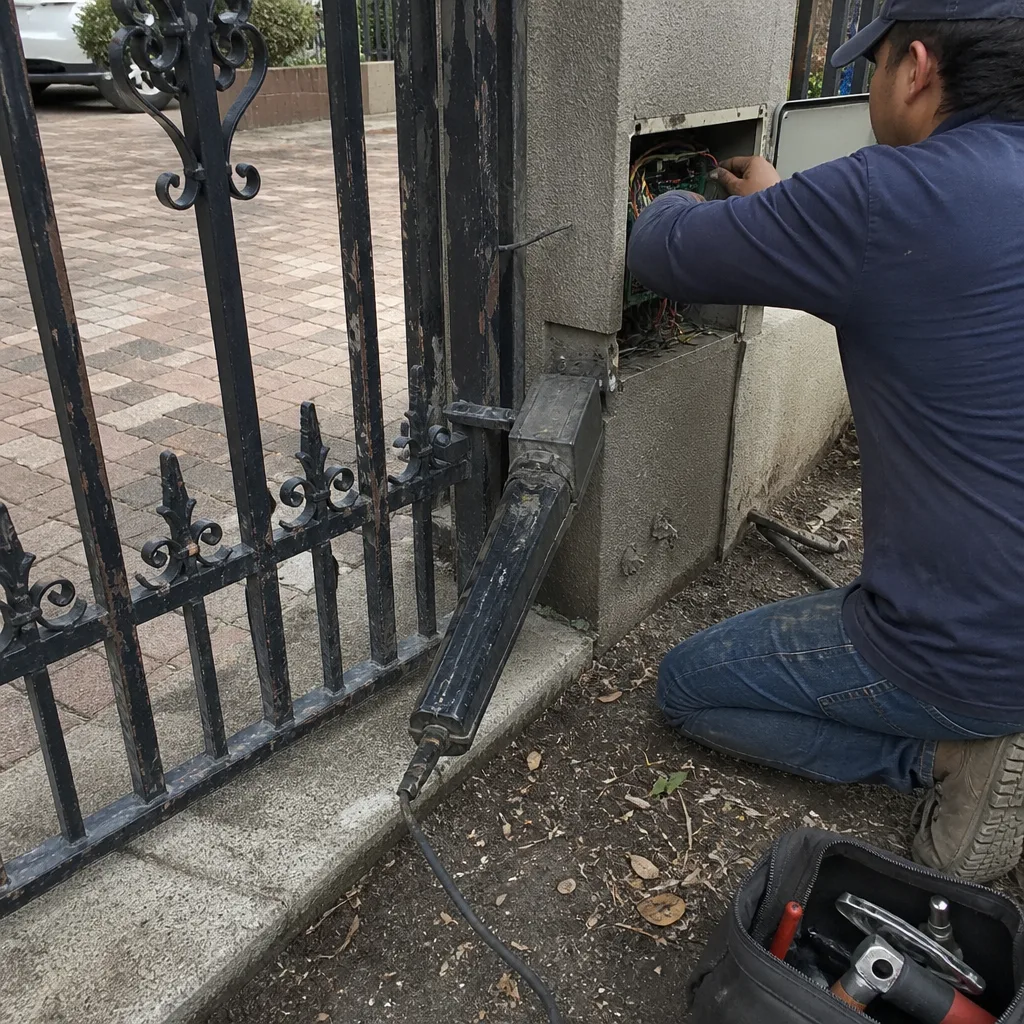 Before
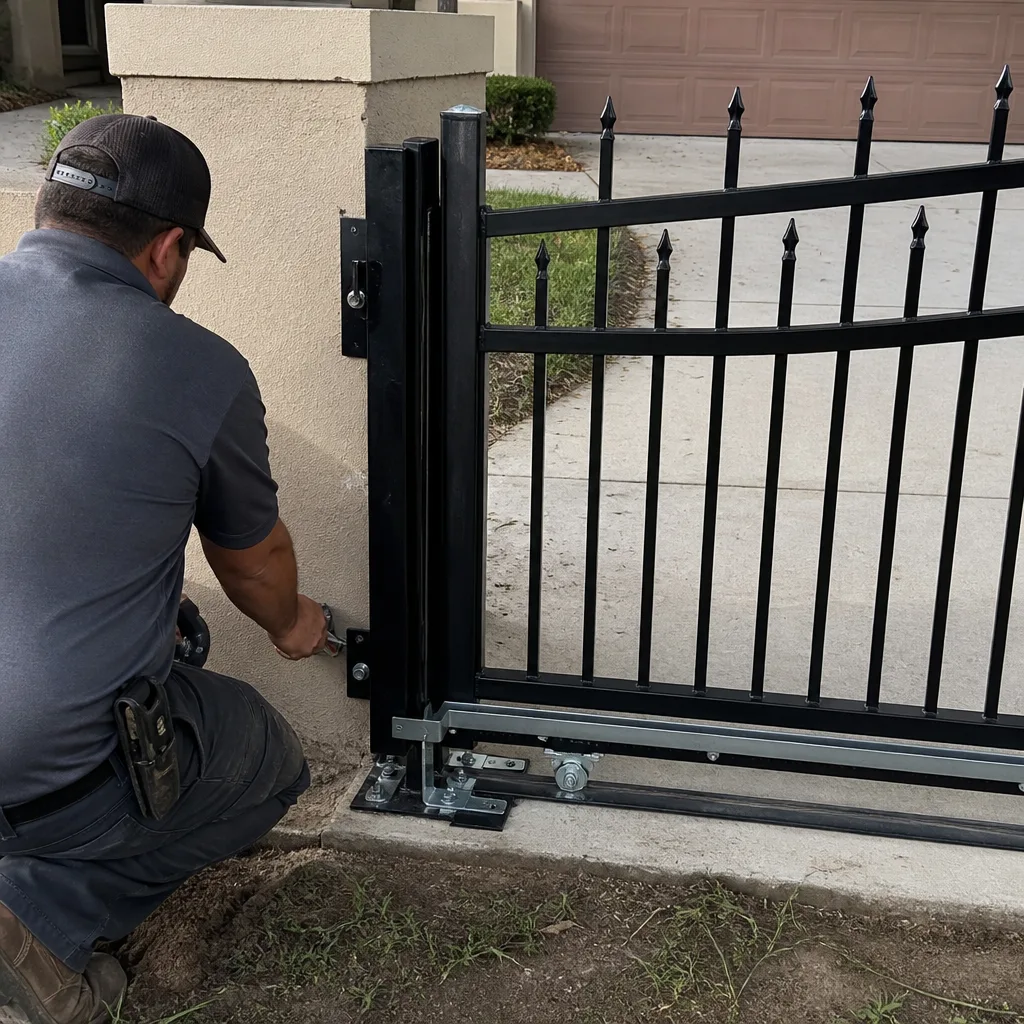 After
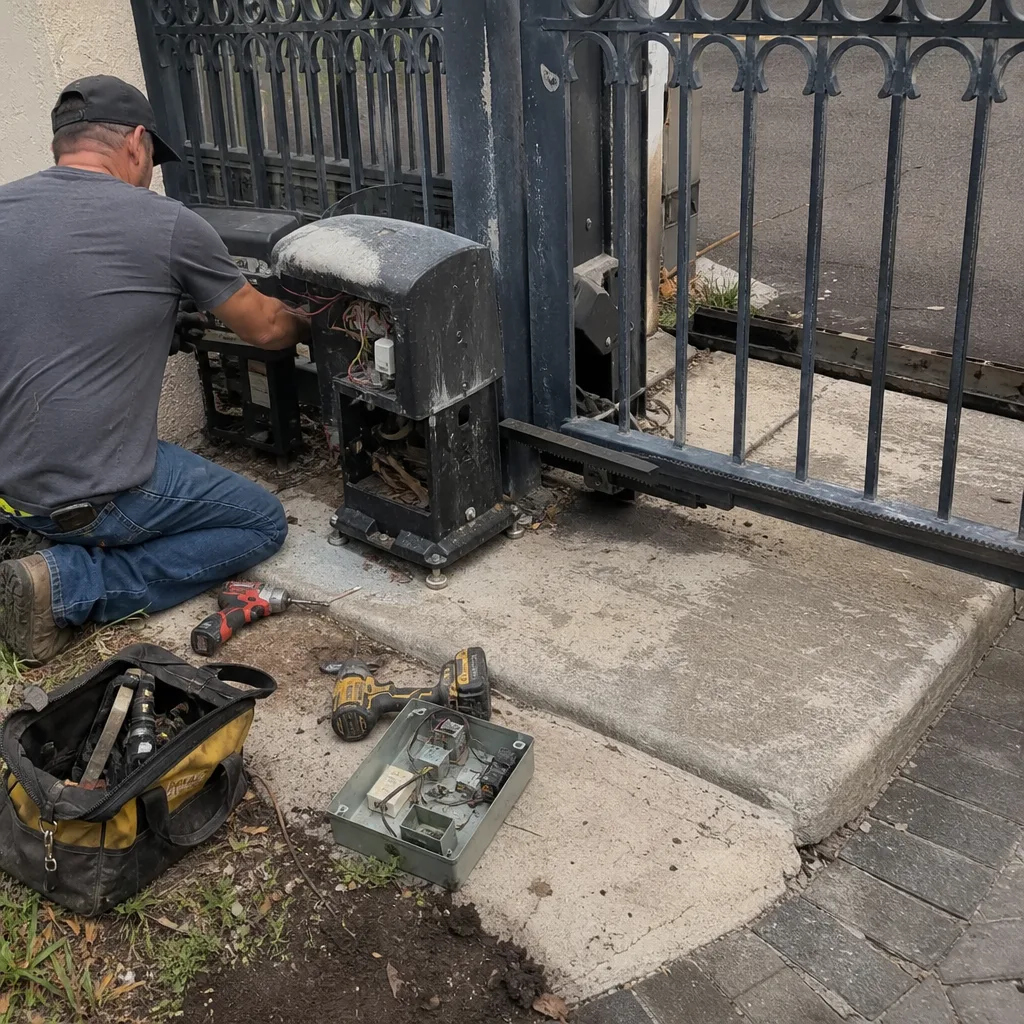 Before
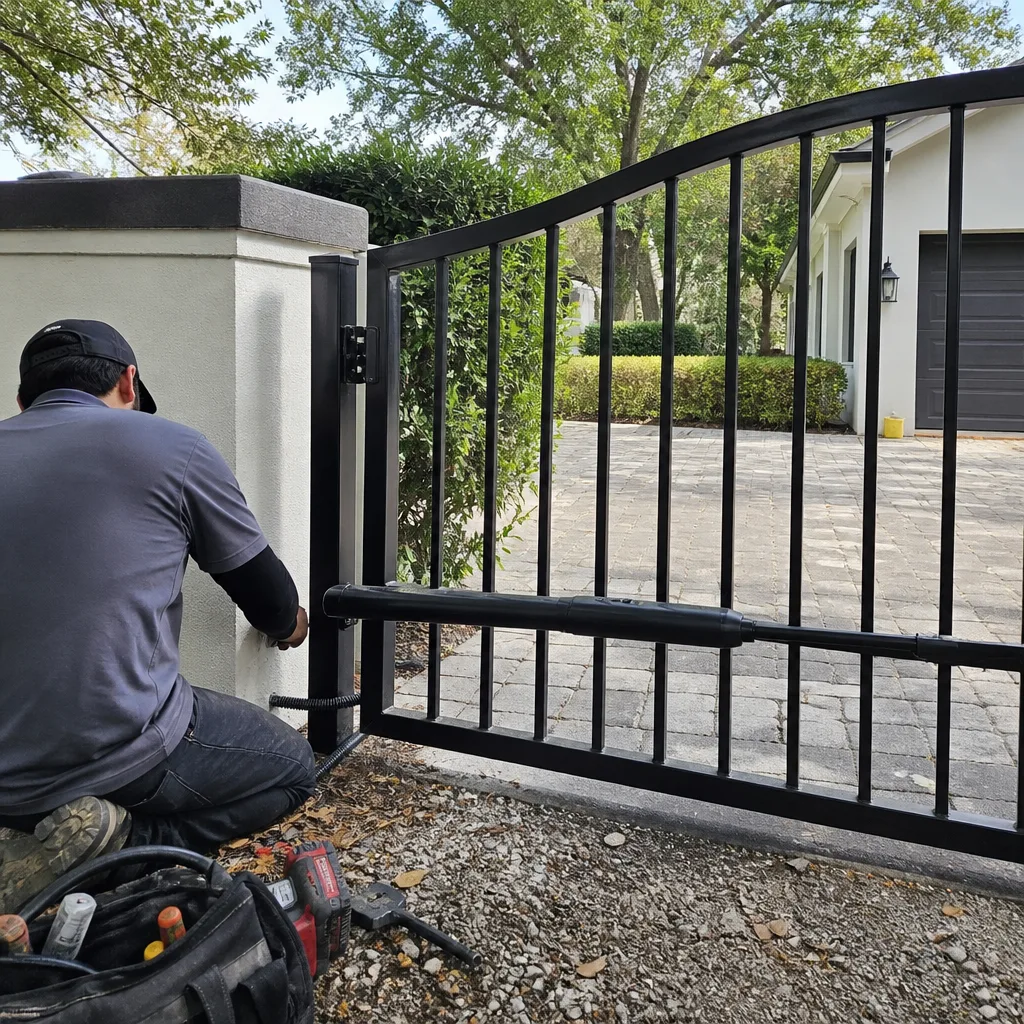 After
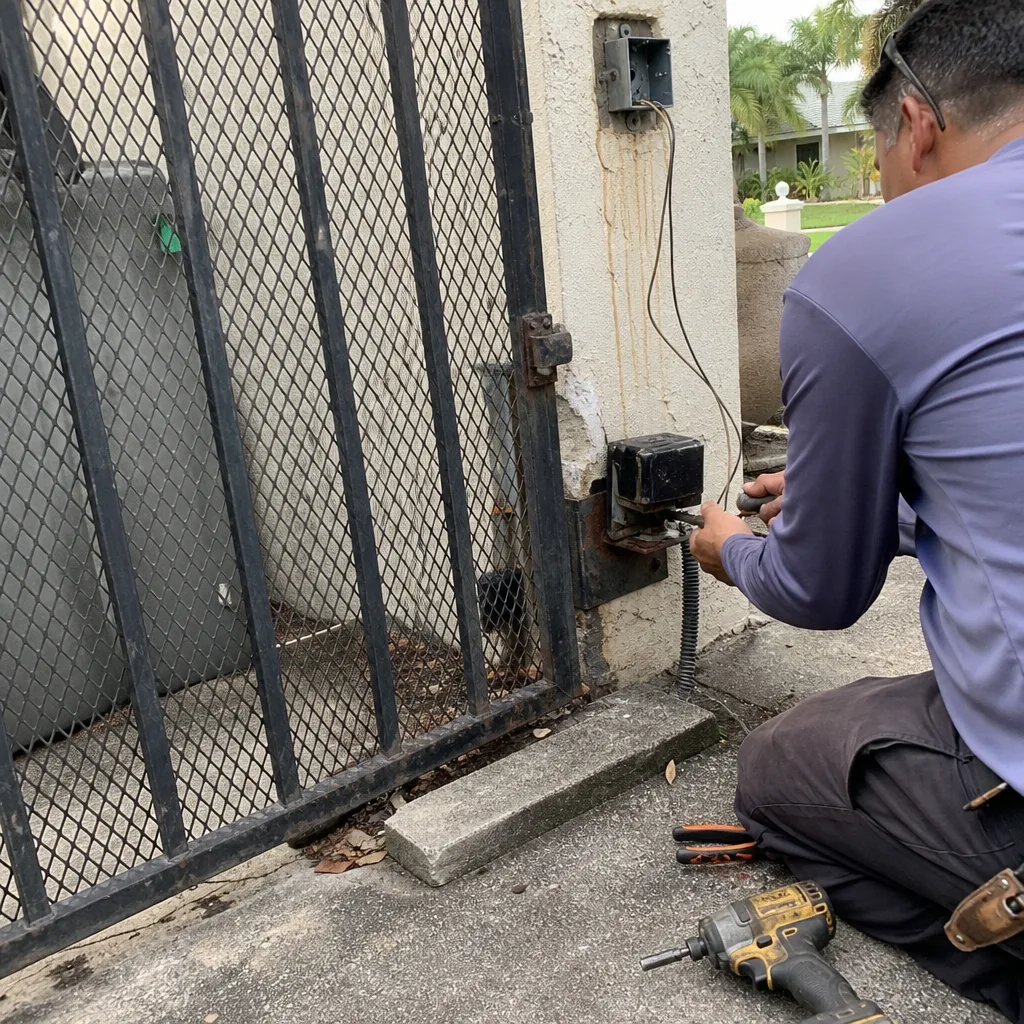 Before
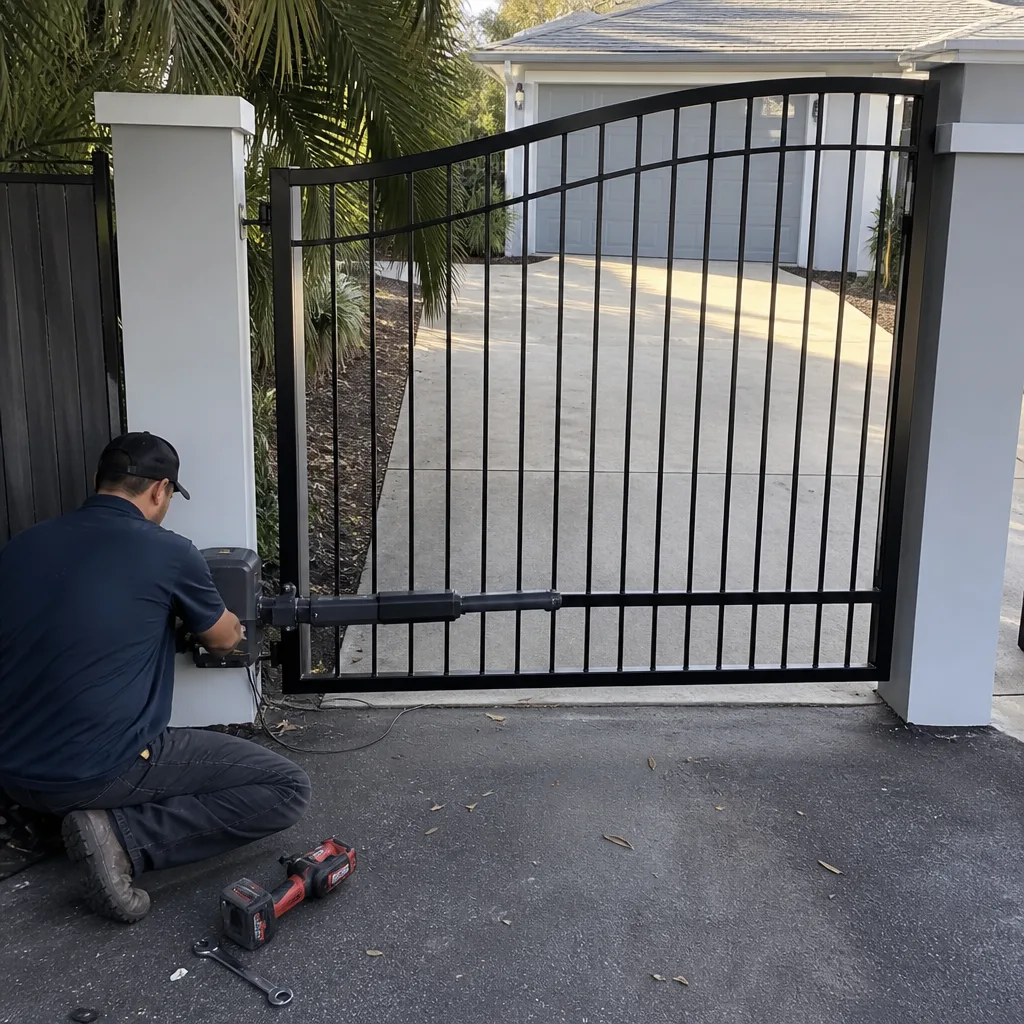 After