
Last updated October 31, 2026
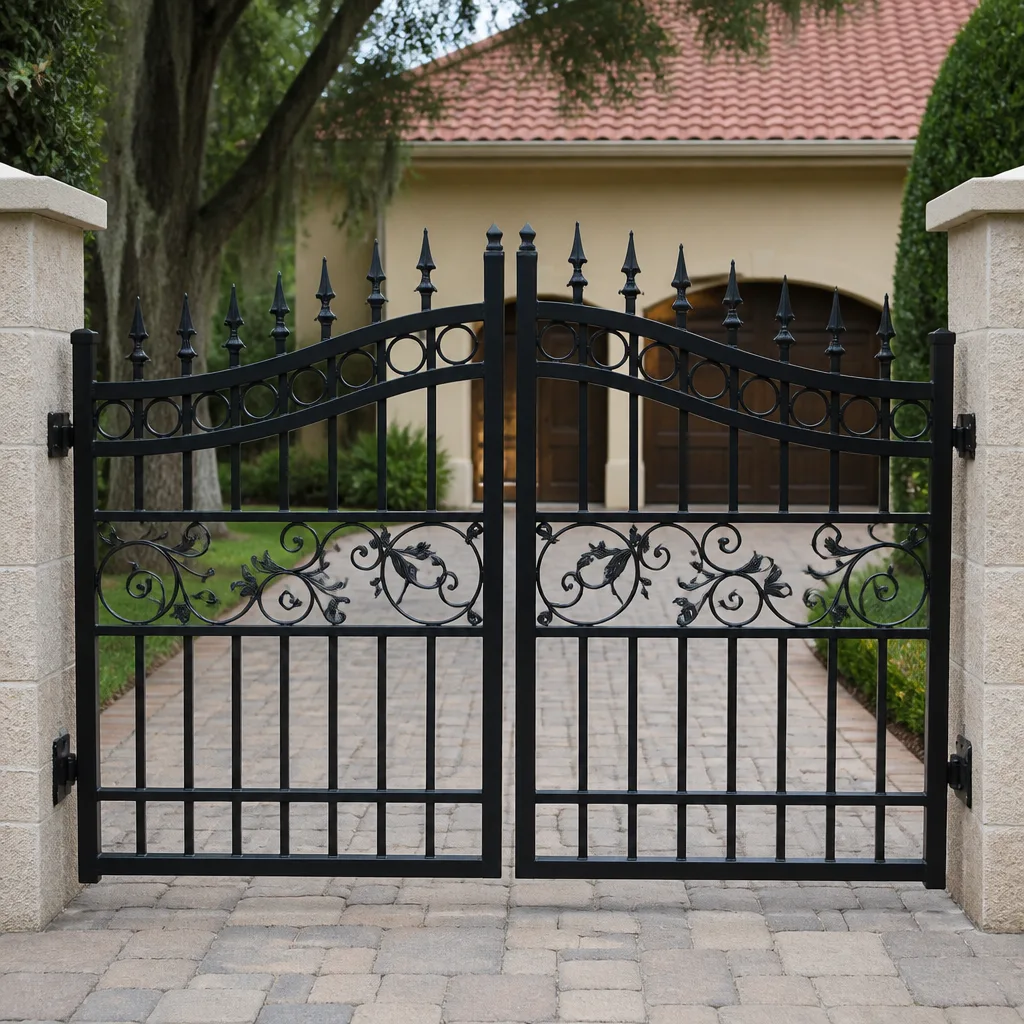 Wrought iron
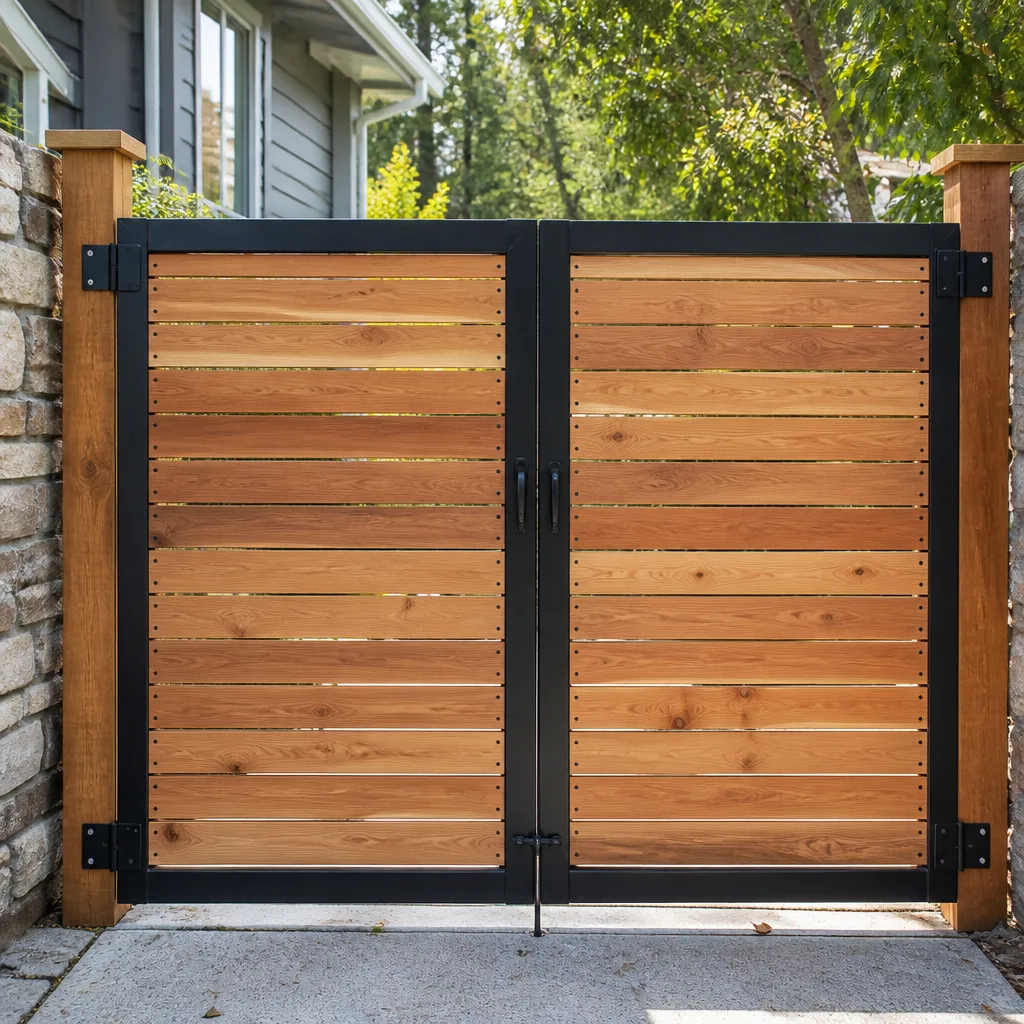 Wood & steel frame
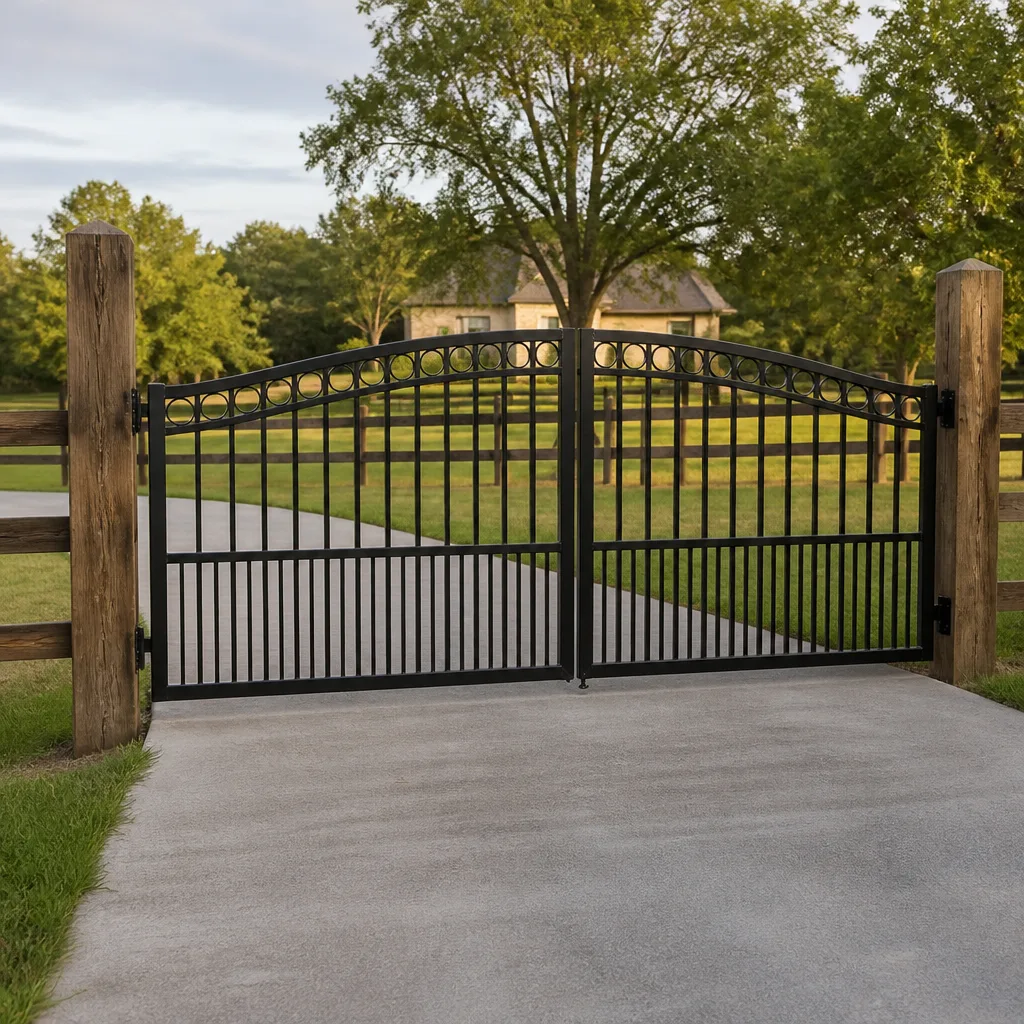 Farm & ranch
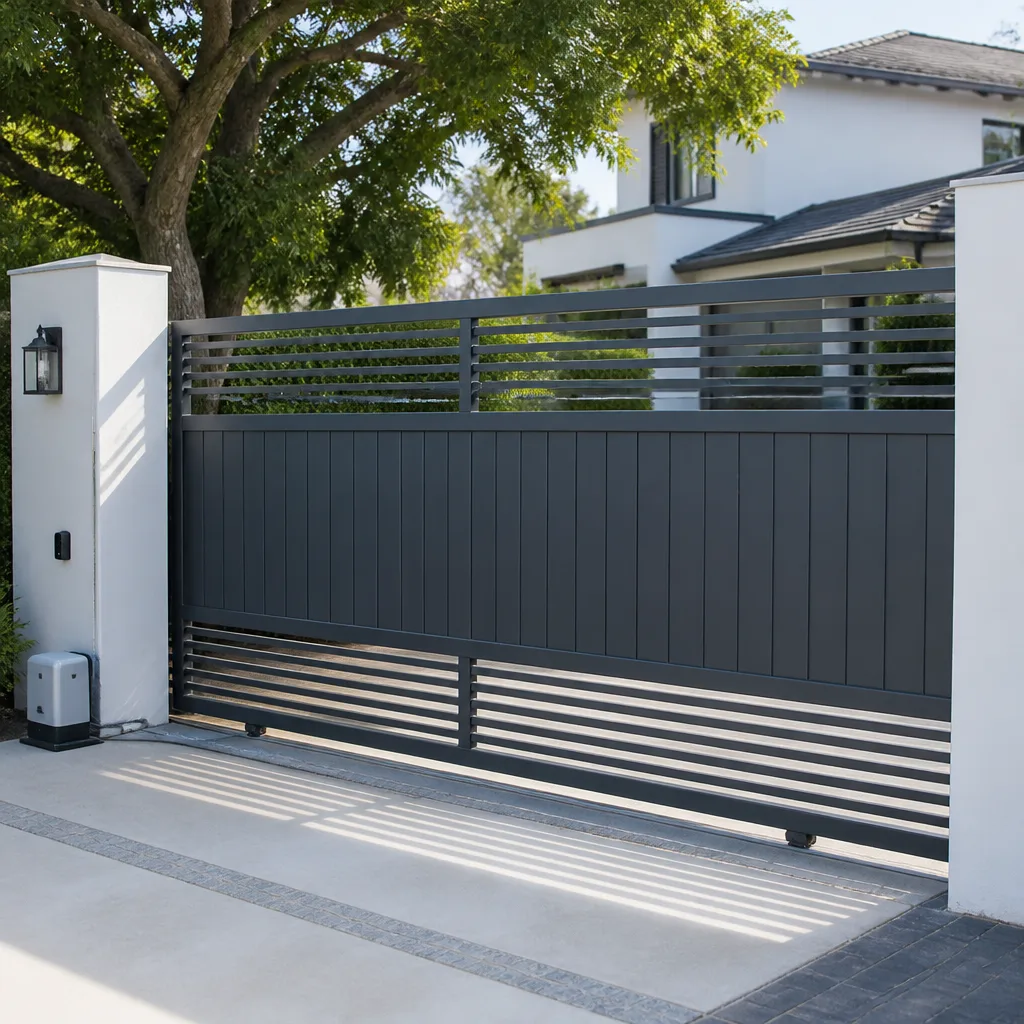 Sliding driveway gates
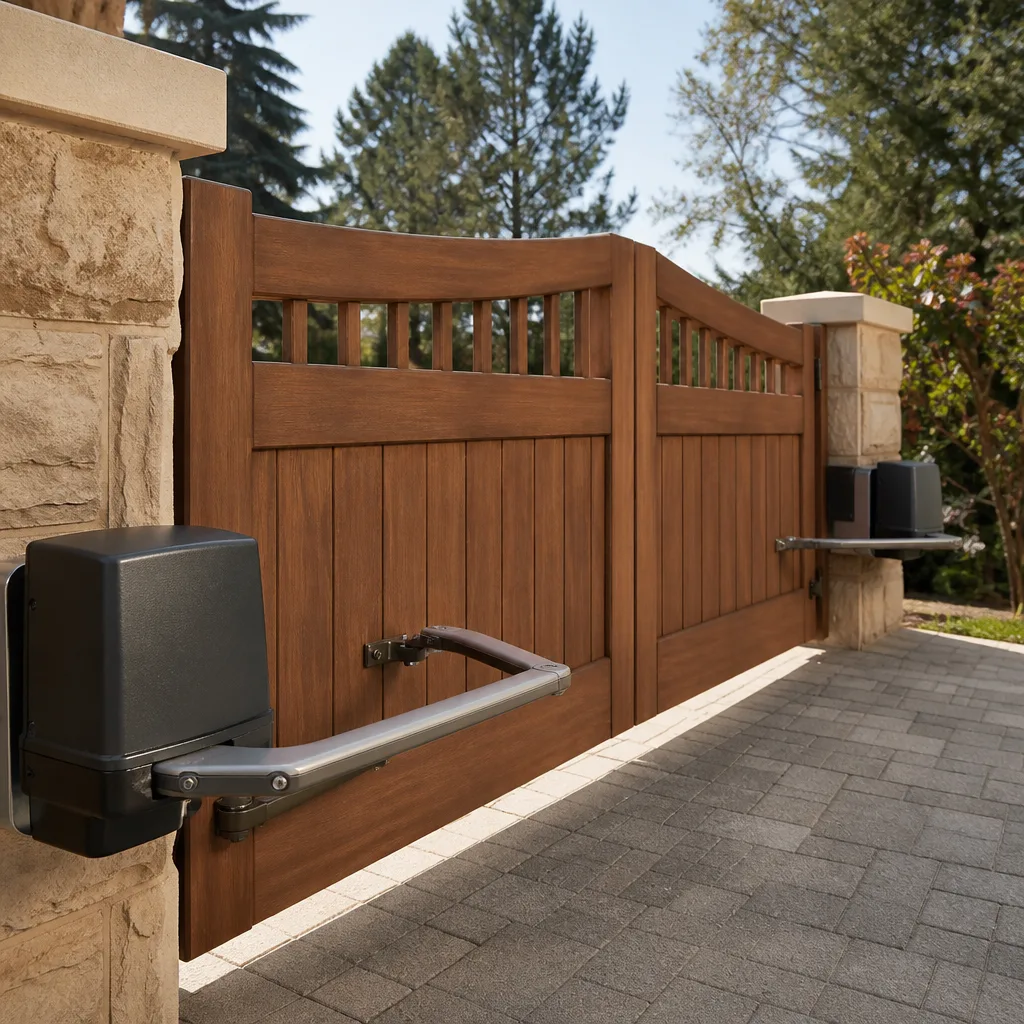 LiftMaster operators
Free on-site gate assessment - hinges, posts, and your LiftMaster or Nice gate operator checked before anything is quoted
The assessment is free and the quote is the invoice.
Get your free estimateGate Repair Permits, Codes & Inspections in FL: What You Need to Know
Replacing a gate motor in Florida isn’t always a permit-free swap. If the work touches your electrical panel connection or requires pulling a new low-voltage circuit, you may be in permit territory without knowing it, and the liability lands on the homeowner. This guide walks through Florida Building Code thresholds, Orange County and City of Orlando specifics, HOA review intersections, UL 325 safety standards, and what unpermitted gate work means for your insurance coverage. We’re writing from the perspective of a Gate Repair services company in Orlando, so the local references reflect what we see in the field across Central Florida.
Styles & brands we work with
Quick Answer
Most basic gate maintenance in Florida, like hinge lubrication, wheel replacement, or sensor realignment, requires no permit. However, replacing an automatic gate operator, running new electrical circuits, or installing a new motor that connects to your home’s panel typically does trigger a permit requirement. In Orlando and Orange County, the trigger is usually electrical work, not the gate hardware itself.
Table of Contents
- Maintenance vs. Alteration: Where Florida Draws the Line
- Orlando and Orange County Permit Requirements: What Actually Applies
- HOA Architectural Review vs. Municipal Permitting: Two Separate Processes
- UL 325 and NFPA 101 Safety Standards for Automatic Gates
- What Unpermitted Gate Work Means for Insurance and Liability
- What Inspectors Actually Check on Automatic Gate Systems
- How to Pull a Permit for Gate Work in Orlando: Step by Step
- Common Mistakes to Avoid
- When to Call a Professional
- Frequently Asked Questions
Maintenance vs. Alteration: Where Florida Draws the Line
The Florida Building Code doesn’t use the words “gate repair permit” in one clean paragraph. Instead, the trigger is almost always electrical work or structural alteration. We see this confusion every week in Orlando: a homeowner assumes replacing a dead gate motor is routine, only to learn that disconnecting and reconnecting line-voltage wiring at the panel qualifies as electrical work that requires a permit.
Here’s the practical split we use with customers:
- Maintenance (no permit needed): lubricating hinges and rollers, tightening hardware, replacing wheels or casters, cleaning and aligning photo-eye sensors, replacing a gate battery, reprogramming a remote or keypad, or replacing a broken hinge on a swing gate. These are adjustments or part swaps that don’t change the system’s electrical or structural footprint.
- Alteration (permit may be required): replacing an automatic gate operator or motor, installing a new low-voltage circuit for a gate opener, adding a transformer, relocating the gate post, increasing gate height or weight, changing from manual to automatic operation, or upgrading a residential opener to a commercial-grade operator like a BFT or Viking unit.
- New installation (permit nearly always required): any new automatic gate, any new electrical branch circuit, any new gate that connects to the home or a stand-alone panel. In Orlando, installing a new automatic gate typically means both an electrical permit and sometimes a building permit if the gate exceeds height or setback limits.
The line isn’t about whether the gate is broken. It’s about whether the repair changes how electricity reaches the gate or how the gate interacts with the structure. If you’re replacing a motor with the same voltage and same circuit, some contractors will argue it’s a like-for-like swap and move on without a permit. Technically, most Florida municipalities still want paperwork when line-voltage connections are disturbed. The risk calculation is yours, but you should make it with accurate information, not a handyman’s shrug.
Orlando and Orange County Permit Requirements: What Actually Applies
Orlando sits inside Orange County, and both the city and the county have their own permitting offices. The rule of thumb is that your jurisdiction follows your physical address: if you’re inside city limits, the City of Orlando’s Building Division is your authority. If you’re in unincorporated Orange County, the county’s Division of Building Safety handles it. Neighborhoods like Baldwin Park, College Park, and Thornton Park are city jurisdiction; places like Pine Castle, Conway, and parts of Dr. Phillips fall under the county, and some Dr. Phillips pockets have their own quirks. Don’t guess. Check your address.
What both jurisdictions share is the Florida Building Code, including the National Electrical Code (NEC) for wiring. Here’s what that means for gate work in Orlando:
- Electric gate operator replacement. If you’re swapping a dead LiftMaster or Linear motor on an existing circuit, the electrical connection at the panel may still require an electrical permit. The city of Orlando’s Residential Electrical Permit is commonly pulled for exactly this. In our experience, inspectors care more about the junction box, wire gauge, and grounding than they do about the motor brand.
- New low-voltage circuits. Adding a dedicated circuit for a gate opener, especially for a property that never had automation before, is an alteration. That means a permit and an inspection. This is the single most common overlooked permit trigger on Orlando residential properties.
- Commercial automatic gates. For any commercial property, HOA entrance, or multi-tenant access gate in Orange County, the bar is higher. Commercial gate operators (like FAAC, BFT, or Viking systems) must meet NFPA 101 accessibility and safety requirements, and the county’s commercial plan review process typically applies when full systems are installed or significantly upgraded.
- Gate height and setback. If your repair or installation changes the gate’s overall height or location (for example, widening the driveway entry and moving the post), a building permit may come into play. Orlando has zoning setbacks for front-yard structures, and an automatic gate that swings over a public sidewalk triggers additional safety review.
If you’re in Orange County and a contractor tells you “gates never need permits,” walk away. A gate repair company that works in Orlando regularly should be able to explain which repairs need a permit and which don’t, and should be willing to pull one when the work requires it. For Gate Repair Warning Signs: A Orlando Homeowner’s Reference Guide, check our resources. If they refuse to discuss it, that’s a red flag about how they handle everything else.
HOA Architectural Review vs. Municipal Permitting: Two Separate Processes
This is where Orlando homeowners get caught in a gap. Your HOA’s architectural review committee might approve a new automatic gate, and then you discover that the city still requires an electrical permit. Or the reverse: you pull the city permit correctly and get the gate installed, then you receive an HOA violation notice because the gate color, height, or style wasn’t approved through the association’s process. These are separate processes with separate timelines, and satisfying one does not satisfy the other.
HOA review is a private covenant matter. Municipal permitting is public code compliance. They don’t talk to each other.
In Orlando-area communities like Baldwin Park, Avalon Park, and Windermere’s many gated subdivisions, HOA architectural guidelines for gates are often stricter than city code. A community may require specific materials, specific gate colors, specific setback distances from the street, or even specific operator types to keep noise levels low. A homeowner who installs a new Ghost Controls driveway opener without filing the architectural review can be forced to remove the entire system at their own expense, even if the city permit was valid.
The sequence we recommend to Orlando clients:
- Check your HOA architectural guidelines first. They’re in your association docs, and most specify a review timeline of 30 to 60 days.
- Submit the architectural review request with the gate specs, operator brand, and photos or drawings of the proposed location.
- Once HOA approval is in hand, pull the city or county permit for the electrical component of the work.
- Schedule the inspection after installation and keep the completed permit on file. It’s the document that matters at resale.
If you’re a property manager running a commercial access gate, the HOA equivalent is often a board vote plus a management-company review. The municipal path is the same, but the envelope of safety standards is wider because commercial operators are subject to NFPA 101 and UL 325 compliance verification by the inspector, which we’ll cover next.
UL 325 and NFPA 101 Safety Standards for Automatic Gates
UL 325 is the safety standard that governs automatic gate operators in the United States, and it’s not a suggestion. It’s the standard that inspectors and insurance companies cite when something goes wrong. NFPA 101, the Life Safety Code, applies more heavily to commercial and multi-family gate systems, pedestrian gates, and access-controlled entries in Orlando office parks, apartment complexes, and HOA communities.
What UL 325 actually requires, in plain terms:
- Entrapment protection. Every automatic gate operator must have at least two independent means of protection against entrapment. That usually means a primary safety device (like a reversing mechanism or current sensing) plus a secondary device (photo-eye sensors or contact edges). If a gate can reverse when it hits an obstruction, it still needs a separate sensor. This is the single most common finding on Orlando gate inspections.
- Sensor placement and function. Photo-eyes must be mounted at a height and position that detects a body or object across the gate’s path, and they must be wired to stop and reverse the gate. On a commercial gate with a Viking or BFT operator, contact edges or a monitored safety loop may be required in addition to photo-eyes.
- Warning signage. Automatic gates are required to have visible warning signs posted on both sides of the gate, and if the gate opens over a sidewalk, additional pedestrian warnings apply. Missing signage is a quick citation on a commercial property inspection, and it’s a liability landmine for HOAs.
- Manual release accessibility. Every automatic gate must have a way for a person to manually open it in an emergency. On residential systems, that’s usually a keyed release cylinder. Inspectors check that the release is accessible and functional.
- Junction box and wiring connections. The inspector will open the junction box where the gate operator’s power connects to the home or panel. Wire gauge must match the motor’s amp draw. Spliced wires must be in the box, not hanging loose. The box must be accessible, not buried inside a wall cavity.
- Grounding and bonding. The gate operator frame and the metal gate itself must be properly grounded. In Orlando’s humid, storm-heavy environment, grounding failures are a leading cause of operator failure and a frequent inspection finding.
- Photo-eye placement and operation. For automatic gates under UL 325, the inspector will verify that the photo-eyes are mounted correctly and that breaking the beam stops and reverses the gate. If the sensors are out of alignment or wired incorrectly, the inspection fails.
- Manual release function. The inspector will test the manual release to confirm the gate can be operated by hand in an emergency. If the release is sticky, inaccessible, or missing a handle, it’s a failed item.
- Warning signs. UL 325 warning decals must be posted on both sides of the gate. Missing or weathered signs are a quick fix, but many inspectors will note them and require correction before sign-off.
- Circuit label. The breaker that feeds the gate should be labeled. It’s a small thing, but labeling errors fail inspections more often than you’d expect.
- Assuming all gate work is permit-free. The most frequent and most costly mistake. Replacing a motor or adding a circuit isn’t the same as replacing a battery. Ask before the work starts.
- Confusing HOA approval with city permitting. They are separate. Getting one without the other leaves you exposed. In Orlando HOA communities, we’ve seen both directions go wrong.
- Hiring a contractor who dismisses permits. “You don’t need a permit for this” is sometimes true for pure maintenance and sometimes a shortcut. A specialist who dismisses the question without explaining the threshold isn’t doing you any favors.
- Replacing a residential operator with a commercial operator without checking codes. That upgrade from a Ghost Controls to a Viking or BFT unit brings NFPA 101 and safety-review obligations you didn’t have before. It’s a different category of installation in the eyes of the county.
- Skipping the UL 325 safety devices to save money. Reusing old photo-eyes or omitting a contact edge on a commercial gate can pass a quick visual check and fail an inspection. It’s a false economy.
- Not keeping the paperwork. The permit approval is a resale asset. Losing it or never pulling it costs you at closing or after a claim.
- Waiting until after the gate is installed to ask about permits. It’s easier to uninstall or rework before the concrete cures. Ask the permit question during the quote phase, not the inspection phase.
NFPA 101 enters the picture for commercial access control and pedestrian gates in buildings, shopping plazas, and older Orlando communities that have both a vehicle gate and a separate pedestrian gate. The code requires that gates in the path of egress not trap occupants during a fire or emergency, which often means a separate pedestrian gate that remains manually operable even when the vehicle gate loses power. In commercial inspections, we’ve seen entire gate projects held up because a pedestrian egress gate wasn’t in the plan.
The takeaway: UL 325 is not about whether the gate works. It’s about what happens when a child, a car, or a delivery driver is in the wrong place at the wrong time. An inspector can fail a perfectly functional gate for a missing warning decal, and an insurance company can deny a claim if the operator wasn’t UL 325 compliant at the time of an injury.
What Unpermitted Gate Work Means for Insurance and Liability
This section answers the question nobody asks until it’s too late: what unpermitted gate work means for your insurance coverage if the gate injures someone or causes property damage. The honest answer is that it depends on your policy, but Florida insurance carriers have become increasingly aggressive about denying claims tied to unpermitted electrical work.
Here’s the scenario we warn Orlando homeowners about. You hire a handyman to replace your automatic gate motor. He does it without a permit, because it’s faster and cheaper. Six months later, the gate closes on a delivery van, or a child triggers the sensor and the gate doesn’t reverse. The injury claim lands on your homeowner’s insurance. The adjuster asks one question: was the work permitted and inspected? If the answer is no, the carrier may argue that the policy’s “concealment or fraud” clause applies, or that the unpermitted alteration voids the liability coverage for that specific fixture. Even if the claim isn’t denied outright, the carrier may still pay and then drop your coverage or raise your rates significantly.
It’s not a hypothetical. We’ve seen this pattern with Orlando-area HOAs and residential properties where a cheap motor replacement went sideways. The gate wasn’t the problem. The unpermitted electrical connection was.
The liability angle is even sharper for commercial properties. If a commercial automatic gate with a BFT or DoorKing operator injures someone and the system was never inspected against UL 325, the property owner faces a negligence claim with far less defense leverage. Plaintiff’s attorneys in Central Florida know how to request permitting records and inspection reports. If those records don’t exist, the property manager is in a bad position.
Keep the permit and inspection record. It’s the cheapest insurance policy you’ll ever buy. When you sell the property, the buyer’s inspector may ask for it, and having it on file makes the difference between a smooth closing and a last-minute credit demand.
What Inspectors Actually Check on Automatic Gate Systems
Let’s be specific about what an electrical inspector in Orlando or Orange County actually looks at when they come out for a gate permit inspection. This isn’t a building inspection of the gate’s aesthetic or a structural review of the post (unless a building permit was also pulled). It’s an electrical and safety inspection, and it’s usually under 30 minutes. Knowing what’s on the checklist helps you prepare and avoid a failed inspection.
One thing inspectors in Orlando do not do, contrary to what some homeowners expect, is evaluate the quality of the gate operator itself. They won’t tell you whether a Ghost Controls opener is a good fit for your property or whether the motor has enough duty cycle for a commercial setting. That’s a design question for the contractor. The inspector’s job is code compliance and safety, not product selection.
How to Pull a Permit for Gate Work in Orlando: Step by Step
If the gate work you need falls into the alteration or new installation category, here’s the step-by-step path we’ve followed with Orlando and Orange County customers many times. Different contractors handle this differently. Some pull the permit on your behalf and include the fee in the job quote. Some have the owner pull a homeowner’s permit. Either way, you want to know what the process looks like.
Step 1: Determine your jurisdiction
The City of Orlando’s Permitting Services office handles city addresses. Orange County’s Division of Building Safety handles unincorporated county addresses. If you’re not sure, both entities have online address lookups. A gate contractor who works across Orlando will know the line, but it’s always worth verifying.
Step 2: Identify the permit type
For most automatic gate operator replacements and new installations, the relevant permit is an Electrical Permit. If the work changes the gate’s structure, dimensions, or location, a Building Permit may also be required. If the gate is part of a new driveway or major hardscape project, the scope may expand, but for gate-only work, electrical is usually the path.
Step 3: Complete the application
City of Orlando residential electrical permits can often be pulled online through the city’s permitting portal. Orange County has a similar online system. You’ll need the property address, a description of the work, the name of the licensed electrical contractor (if applicable), and the permit fee, which varies by scope. For reference, many Orlando residential electrical permit fees fall in the low hundreds of dollars, but the total depends on the job’s dollar value and the jurisdiction’s fee schedule.
Step 4: Schedule the inspection
After the permit is issued and the work is completed, you or your contractor schedule the inspection. In Orlando, residential electrical inspections can often be scheduled within a few business days, but city and county backlogs fluctuate. The inspector will verify the items listed in the section above.
Step 5: Keep the record
The final inspection approval is the document you keep. Store it with your closing paperwork, homeowner’s insurance file, and any HOA approval. In our experience, this single piece of paper has saved Orlando sellers from expensive last-minute concessions more times than we can count.
If any of this sounds like more than you want to manage, call a gate company that handles the permit process as part of the job. We tell our Orlando customers the same thing: the permit isn’t a tax. It’s a receipt that the work was done right.
Common Mistakes to Avoid
When to Call a Professional
Call a licensed professional whenever the gate work touches line voltage, involves replacing an automatic operator, adds a new circuit, or alters the gate’s physical structure. These are not weekend projects, and the electrical component is where injuries happen. If you’re replacing a gate operator in Orlando that’s hardwired to a panel or adding automation to a gate that was previously manual, the risk profile is beyond hobby territory. A gate specialist who understands UL 325, the local permit path, and multi-brand systems can diagnose and execute the repair without missing a safety component. Electric gate repair in Orlando is exactly the kind of work where the specialist distinction matters most. Arroyo Gate Repair home work starts with a diagnosis, not a guess. If you need a full system rather than a repair, see our gate installation in Orlando page for what a complete project includes. For any gate work across the greater Orlando area, our gate repair in Orlando service covers mechanical and automated systems. Arroyo Gate Repair offers free estimates in Orlando, call (877) 851-6955.
Frequently Asked Questions
You typically need a permit in Florida when the motor replacement requires disconnecting or reconnecting line-voltage wiring at the electrical panel. If the replacement uses the same circuit and the electrical connection is undisturbed, some jurisdictions treat it as like-for-like maintenance, but in Orlando, most electrical inspectors want the work permitted and inspected. We tell customers to assume a permit is required whenever the panel connection is touched, and to confirm with their local building division. Call (877) 851-6955 for a free estimate that includes permit guidance.
Gate repair is typically a maintenance expense, not an insurance claim, unless the gate was damaged by a covered peril like a windstorm or vehicle impact. If the damage resulted from unpermitted work or a non-compliant electrical system, the carrier may deny the claim and potentially flag the property. Having a permitted, inspected system on file helps your position in any claim.
Residential electrical permit fees in Orange County and the City of Orlando vary by scope and job value, but most are in the low hundreds of dollars. Commercial automatic gate installations with plan review run higher and take longer. The permit fee is small compared to the cost of unwinding an unpermitted job.
Homeowners can often pull a homeowner’s permit for residential work, but the electrical connection and UL 325 safety compliance are still your responsibility. On a simple battery-powered system like a Ghost Controls opener with a solar panel, the threshold is lower. On a hardwired system, the risk and inspection requirements go up. If you’re not confident with the electrical and safety components, call us at (877) 851-6955.
Residential inspections focus on the electrical connection, grounding, photo-eyes, and UL 325 basics. Commercial inspections add NFPA 101 egress requirements, pedestrian gate provisions, warning signage, and sometimes a plan review before work begins. A system with a BFT or Viking operator on a commercial property carries obligations a residential Mighty Mule opener doesn’t.
Residential electrical permits in Orlando can often be pulled online the same week, with inspections scheduled within a few business days after work is complete. Commercial plan reviews on automatic gate systems can take several weeks depending on county or city workload. HOA review is separate and often runs 30 to 60 days in the Orlando area.
The Bottom Line
The distinction between maintenance and alteration is the hinge this entire topic swings on. If the gate work only adjusts, lubricates, or replaces a battery, you’re in maintenance country. If it touches electrical wiring, replaces an operator, adds automation, or changes the gate’s structural footprint, you’re in permit territory, and in Orlando, that means the City of Orlando or Orange County wants a record. The permit is not a paperwork tax. It protects the licensed contractor, the homeowner, and the property’s future value. HOA approval is separate from city permitting, and commercial automatic gates carry stricter safety standards that an inspector will enforce. Keep the paperwork. Pull the permit before the work, not after. If you’re not sure where your gate project falls, call Arroyo Gate Repair at (877) 851-6955 for a free estimate and a straight answer. Browse our more guides & resources for additional help.
Written by the team at Arroyo Gate Repair, serving Orlando since 2013.
See the difference
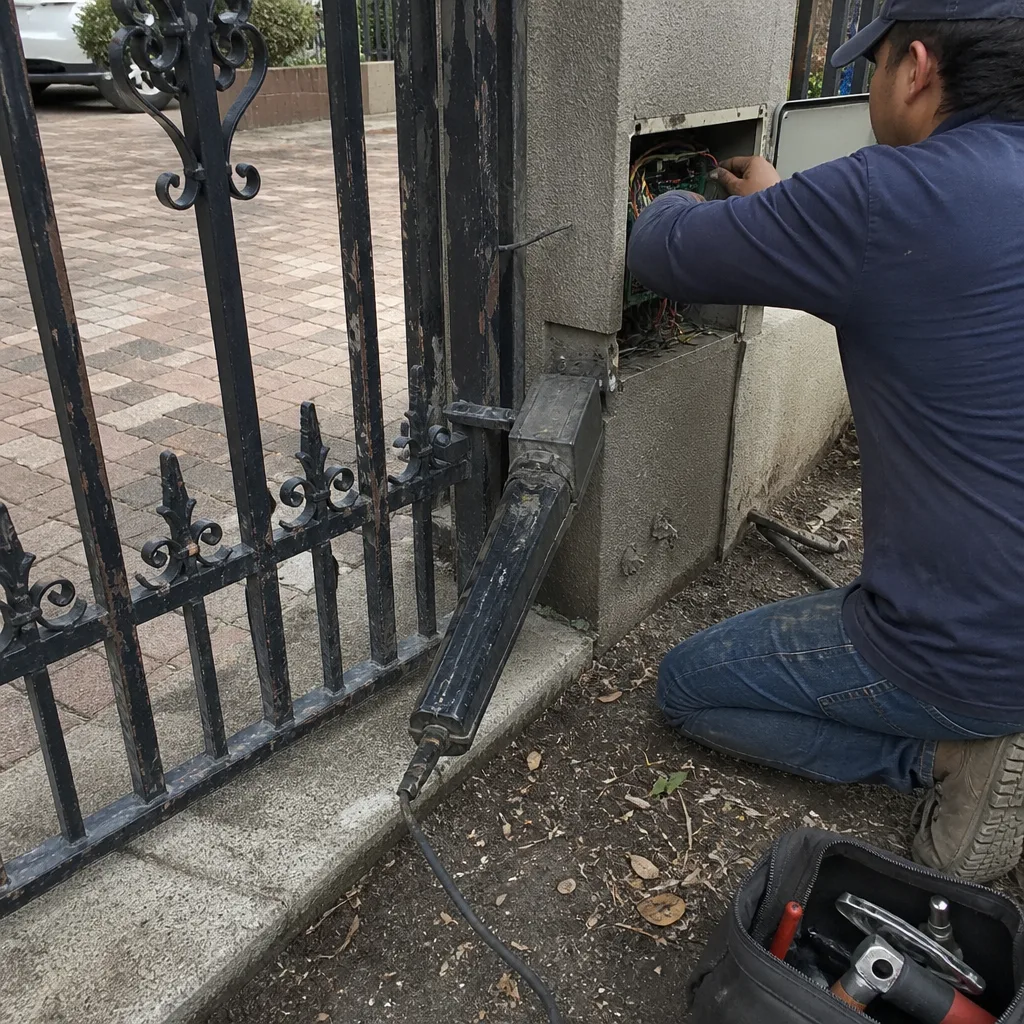 Before
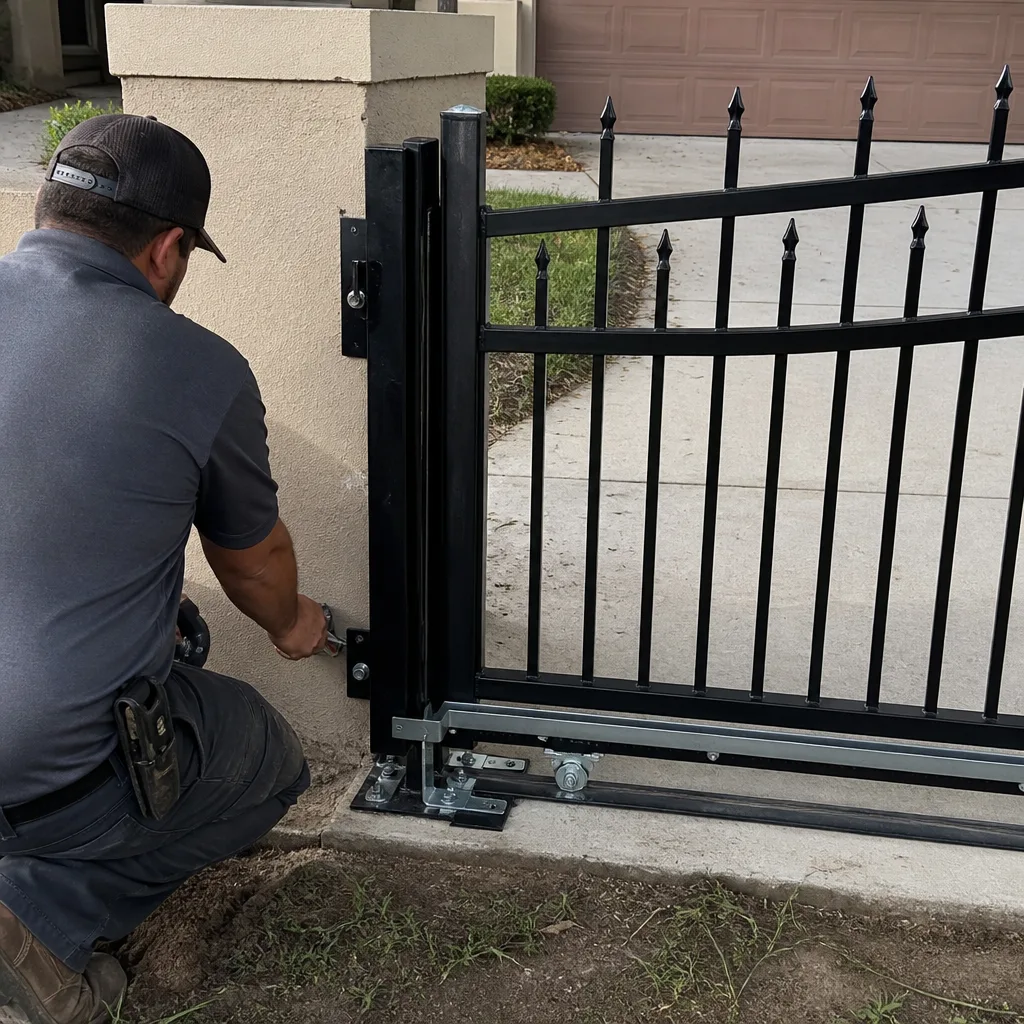 After
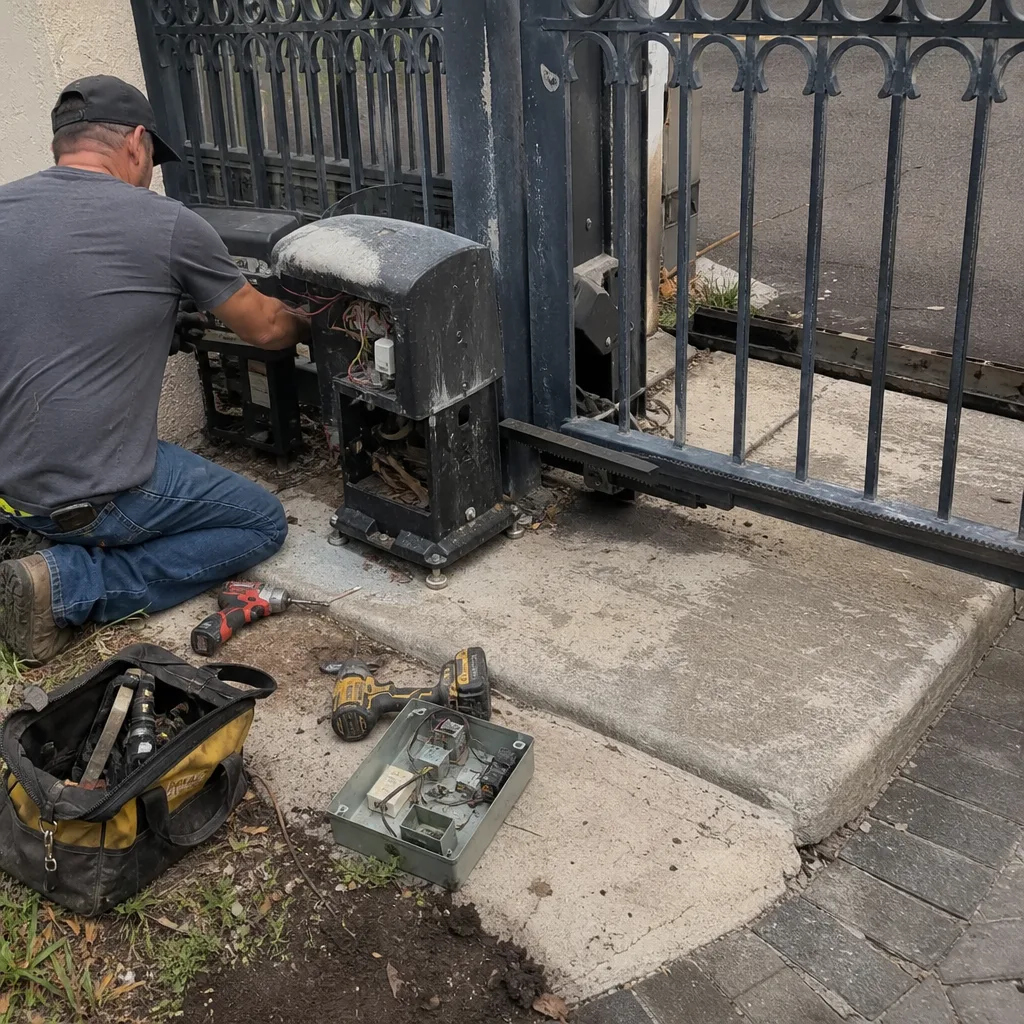 Before
 After
 Before
 After